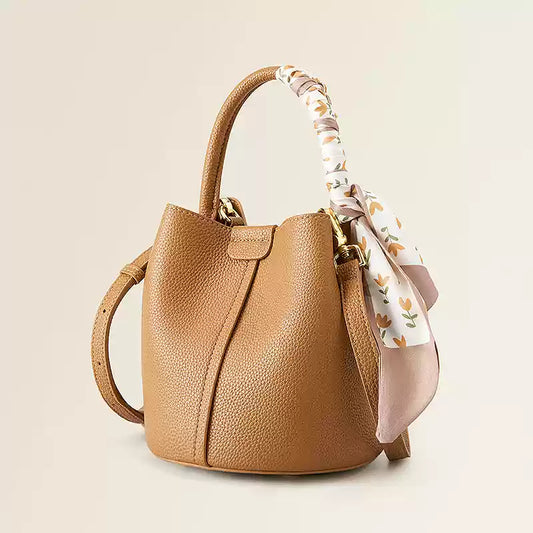
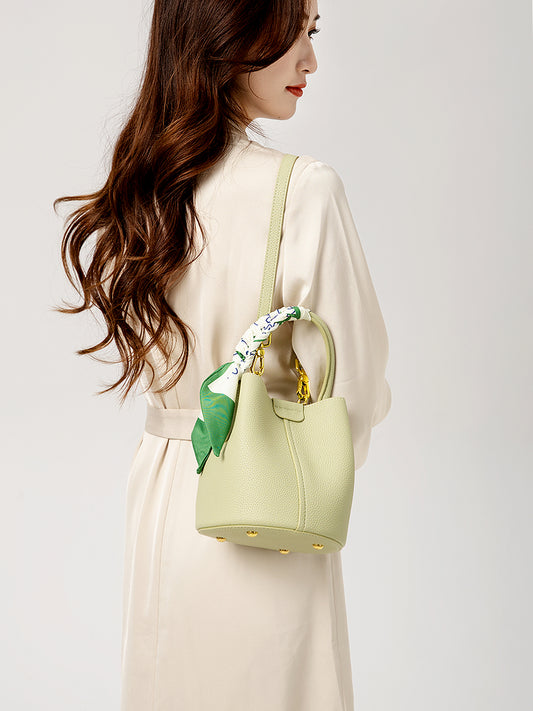
Introduction: The Smart Way to Buy a Leather Bag
Buying a leather bag should be exciting — not confusing. But between the jargon (full-grain? top-grain? vegetable-tanned?), the price range ($30 to $3,000+), and the endless styles, it's easy to make an expensive mistake.
This guide will walk you through exactly what to look for, what to avoid, and how to get the best bag for your budget — whether you're spending $100 or $500. Every recommendation is based on our experience making and selling thousands of handmade leather bags at Regina.
1. Start Here: Define Your Needs
Before looking at a single bag, answer these four questions:
- What's your daily carry? Laptop, lunch, gym clothes, makeup, diapers? The contents determine the size and structure you need.
- Where will you use it? Office, commute, travel, evenings out? Different environments demand different leather types.
- How long do you want it to last? One season? Five years? A lifetime? This determines your budget and leather grade.
- What's your style? Structured and professional? Slouchy and casual? Minimal and sleek?
2. Leather Quality: The #1 Factor
The 5-Second Quality Check
When you pick up a leather bag, check these three things before looking at the price tag:
- Smell it. Real leather has a rich, natural scent. If it smells like plastic or chemicals, put it down.
- Touch the surface. Run your fingernail gently across the leather. Real full-grain leather will show a faint mark that fades. Coated leather won't respond at all.
- Look at the edges. Raw edges of quality leather look like... leather. Cheap leather edges look like compressed cardboard with paint.
Leather Grade Guide for Buyers
| If you want... | Look for this grade | Expect to pay |
|---|---|---|
| A bag for life | Full-grain leather | $250+ |
| 5-10 years of daily use | Top-grain leather | $100-$250 |
| A trendy bag for 1-2 seasons | Genuine leather or faux | Under $100 |
| A gift that looks expensive | Top-grain or full-grain | $150-$350 |
See our complete Leather Types Guide for detailed explanations of every leather grade.
3. Construction: What Separates Good from Great
Stitching
- Good: Even, tight stitches with no loose threads. Stitch count of 6-8 per inch.
- Bad: Uneven spacing, loose threads, single-stitched seams on stress points.
- Red flag: Glued seams instead of stitched ones — the bag will fall apart.
Hardware
- Good: Solid brass, stainless steel, or quality zinc alloy. Feels heavy and cool to the touch. Branded or engraved.
- Bad: Lightweight, hollow-feeling metal. Plastic-coated "metal." No brand markings.
- Test: Zip and unzip 5 times. It should be smooth. A sticky zipper on day one will fail within months.
Lining
- Good: Cotton canvas, suede, or leather lining. Tightly woven, clean seams.
- Bad: Polyester or nylon lining that feels thin. Loose lining that bunches up.
- Tip: A dark lining hides stains better than a light one.
Straps & Handles
- Reinforced attachment points (extra stitching or rivets at stress points)
- Adjustable straps should have solid, not flimsy, buckles
- Crossbody straps should be at least 0.75 inches wide for comfort
4. Size & Proportion: Finding Your Perfect Fit
Bag Size by Body Type
- Petite (under 5'3\"): Small to medium bags. Oversized bags overwhelm your frame. Crossbody strap drop: 20-22 inches.
- Average (5'3\"-5'7\"): Most sizes work. Medium to large bags balance well. Crossbody strap drop: 22-24 inches.
- Tall (5'8\"+): Medium to large bags. Small bags can look out of proportion. Crossbody strap drop: 24-26 inches.
Bag Size by Purpose
| Purpose | Recommended Size | Style |
|---|---|---|
| Everyday essentials (phone, wallet, keys) | Small (8-10\" wide) | Crossbody, mini tote |
| Work (laptop, documents, lunch) | Large (14-16\" wide) | Tote, satchel, backpack |
| Travel (tablet, book, water bottle) | Medium-Large (12-14\") | Crossbody, bucket, hobo |
| Evening (phone, lipstick, cards) | Mini (6-8\") | Clutch, wristlet, mini crossbody |
5. Color Choice: What Works Hardest
The Most Versatile Colors
- Black: Goes with everything, hides wear, always in style. The safest investment.
- Brown/Cognac/Tan: Warm and classic. Brown leather develops the most visible patina. Best for showcasing leather quality.
- Navy: A softer alternative to black. Professional but less severe.
- Burgundy/Oxblood: Adds color while staying sophisticated. Pairs with black, navy, grey, and beige.
Statement Colors (Buy as a Second Bag)
- Red: Bold and confident. Pairs with neutral outfits (black, white, grey, denim).
- Green (olive/forest): Earthy and unexpected. Complements brown, cream, and denim.
- Mustard/Camel: Warm and cheerful. Works beautifully with navy, white, and brown.
- White/Cream: Fresh and elegant but high-maintenance — shows every mark.
The "One Bag" Rule
If you can only buy one leather bag, choose black, brown, or tan in a medium size. It will match 95% of your wardrobe and work for most occasions. Add statement colors as your second and third bags.
6. New vs. Second-Hand Leather Bags
When to Buy New
- You want a specific style or color currently in production
- You want the full lifespan of the leather (patina from day one)
- You want warranty and return protection
- Hygiene is a concern (bag interiors are hard to fully sanitize)
When to Buy Second-Hand
- You're looking for a luxury brand at a lower price
- You want a vintage or discontinued style
- The bag is full-grain leather (ages well, worth buying used)
- You can inspect it in person or buy from a trusted reseller with a return policy
Second-Hand Inspection Checklist
- Check corners and edges for wear (hardest to repair)
- Smell inside — musty odor indicates mold or poor storage
- Check strap attachment points for stretching or tearing
- Test all zippers and closures
- Look inside pockets for stains or tears
- Verify the brand label and hardware engravings (fakes are common)
7. Price Guide: What You Should Pay
By Leather Grade
| Grade | Small Bag | Medium Bag | Large Bag |
|---|---|---|---|
| Full-Grain | $150-$300 | $250-$500 | $350-$800+ |
| Top-Grain | $80-$200 | $150-$350 | $250-$500 |
| Genuine Leather | $30-$80 | $50-$150 | $80-$200 |
| Designer/Luxury Brand | $500-$1,500 | $1,000-$3,000 | $2,000-$10,000+ |
What You're Actually Paying For
- $50 bag: Materials ($10) + Labor ($5) + Brand/Shipping/Margin ($35)
- $300 bag: Materials ($60) + Labor ($80) + Brand/Shipping/Margin ($160)
- $2,000 designer bag: Materials ($100) + Labor ($200) + Brand/ Marketing/Exclusivity ($1,700)
The sweet spot: $200-$400 for a handmade full-grain leather bag. You're paying for quality materials and craftsmanship, not a logo.
8. Online vs. In-Store: How to Buy Leather Bags Online
Red Flags When Shopping Online
- Stock photos only — no real-life or detail shots
- "Genuine leather" as the only material description (no grade specified)
- Price too good to be true ($30 for a "full-grain leather" bag)
- No return policy or unclear return window
- Vague size descriptions without measurements
- No details about hardware material or lining
What to Look For in Product Photos
- Close-up of the leather surface (can you see the grain?)
- Photo of the interior and lining
- Photo of the bag on a person (for size reference)
- Edge and stitching detail shots
- Hardware close-up
9. Bag Type Selection Guide
Which Bag Style Matches Your Life?
| Lifestyle | Best Bag Type | Why |
|---|---|---|
| Office professional | Structured tote or satchel | Fits laptop, looks polished, durable |
| Creative/freelancer | Hobo or slouchy shoulder bag | Casual, spacious, flexible |
| Mom on-the-go | Large tote or backpack | Maximum capacity, hands-free options |
| Minimalist | Small crossbody | Essentials only, lightweight, versatile |
| Student | Backpack or large crossbody | Hands-free, fits books/tablet, durable |
| Frequent traveler | Crossbody with anti-theft features | Secure, hands-free, compact |
| Evening/social | Clutch or mini crossbody | Elegant, minimal, statement piece |
10. The Regina Buying Checklist
Before you click "buy," run through this checklist:
- ☐ What leather grade is it? (If they don't specify, assume genuine leather)
- ☐ Can I see the leather grain in the photos?
- ☐ Are the strap attachment points reinforced?
- ☐ What material is the hardware? (Solid brass > zinc alloy > plastic)
- ☐ What's the lining material? (Cotton/suede > polyester)
- ☐ Are the dimensions listed in inches and cm?
- ☐ What's the return policy? (Minimum 14 days)
- ☐ Does the price match the leather grade? (Use the table in Section 7)
- ☐ Are there customer photos in the reviews? (Not just stock photos)
- ☐ Does this bag fit my daily carry needs? (See Section 1)
This guide is maintained by Regina (leather-purse.com). Every bag in our collection is handmade from full-grain and top-grain leather, with reinforced stitching and solid brass hardware — because we believe in the standards we've outlined here. Questions? Email us at support@leather-purse.com.
Last updated: June 2026